Mood changes and low energy, could it be related to the darker season?
Spørsmål
Hello, I am a Master’s student and moved to Oslo this summer. Since October, I have been experiencing some difficulties with my general wellbeing, and I would appreciate some advice on how to proceed. Even though I sleep around 8 hours per night, I often struggle to get out of bed, which is unusual for me. My mood also changes a lot throughout the day. Almost every day I experience periods where I feel empty or sad without a clear reason, sometimes with feeling unusually helpless in group projects or reacting more strongly than I normally would. Shortly after, my mood can suddenly improve again. However, I do not have concentration problems, and I don’t have trouble falling asleep. I go to the gym twice a week and have been taking Möller’s Tran with Vitamin D for about a month. I also feel that I currently have less drive and motivation than I normally have for my studies. I am wondering whether these symptoms could be related to the darker season. Thank you!
Psykolog svarer
Hi,
First of all, I am happy to hear that you made your way to Studenter spør as an exchange student. It is a good thing to reach out when you are struggeling.
It seems to me that you are describing a change in your experience. You felt better during the summer, but when autumn came you felt less energy and mood swings. When daylight decreases the bodys biological rythm and hormones changes. Which can lead to the symptoms you are describing.
Many people experience a shift in mood and energy during winter. What you are experiencing could be connected to a seasonal mood change or "winter blues".
What can you do about seasonal affective changes?
1. Make sure you are out in daylight, even though it is cold. Natural light regulates mood and energy
2. Consider light therapy. At SIO Health clinic, you can borrow these light sources after a visit your GP.
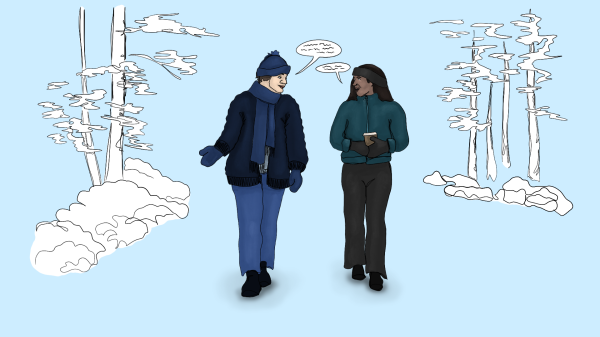
3. Being active is important, so keep on going to the gym, and maybe for daily walks (together with friends is even better, then you also can feel connected).
4. Maintain rutines of your basic needs: sleep, meals, activities
5. Visit your GP and check your vitamin D levels
6. Stay connected with friends or family.
You do not mention if you are happy in terms of friendship, connecting with others and the overall feeling of connection with yourself and others. Our wellbeing is deeply connected to our relational functioning, and also our relationship to ourselves.
I wish you all the best. Remember that you can contact your GP or SiO Health Clinic if you feel stuck and need professional help to make the changes you need.
I include some articles that could be useful for you.
Best regards from the psychologist


Kommentarer
Opprett bruker / logg innIngen kommentarer ennå. Bli den første til å skrive!
Del gjerne din mening, erfaringer, og støtte til andre her.
Kommentarer forhåndsgodkjennes, se .
Ønsker du svar fra en fagperson? Send inn eget spørsmål.




Finner du ikke det du leter etter?
Send inn spørsmålet ditt anonymt. Du får svar fra en fagperson, vanligvis innen et par dager.
Spør anonymt